Social housing pilot project in spotlight at COP26
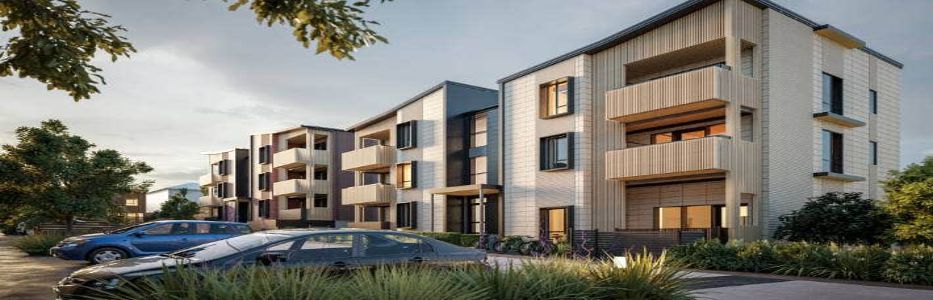
NEW YORK: A social housing pilot project is in the spotlight at COP26 in Glasgow next week.
Ngā Kāinga Anamata in Glendowie, Auckland is a pilot social housing project tackling climate change – it is one of 17 international projects to feature at the virtual pavilion at COP26.
Sustainable social housing initiatives by Kāinga Ora have propelled the Crown agency onto the world stage.
The new Ngā Kāinga Anamata social housing development in Glendowie, Auckland – a net zero energy pilot project – is one of 17 projects invited to be part of the “Build Better Now” virtual pavilion at the UN Climate Change Conference (COP26) in Glasgow.
Launched on October 28, 2021, Ngā Kāinga Anamata, which means “homes of the future”, will be built to Passive House standard and is on track to receive a 9 Homestar rating. Kāinga Ora recently already committed to achieving a (minimum) 6 Homestar rating on all new builds.
The 9 Homestar project will feature 30 new “walk-up” homes in five three-storey buildings. Other buildings on the site will include a community centre, two three-bedroom townhouses, and a separate three-storey building with eight three-bedroom apartments and an elevator.
Each of the five near-identical buildings that are part of the pilot project will use a different construction technology, so sustainability insights can be gathered on a range of building materials and systems.
The project follows the announcement in September of Kāinga Ora’s Bader Ventura project in Māngere, which is the agency’s first project to be designed to Passive House standard. It is seen as first major milestone to producing a certified Passive House.
As with that project, which predicts tenants’ energy costs could be as little as $1 a day, the new development has a focus on achieving Government carbon emission targets while providing significant tenant benefits.
Kāinga Ora commercial director Matt Noyes says by using low carbon materials, operational energy-efficient solutions and local renewable energy generation, lifecycle carbon emissions have been “thrashed to a fraction of what they are in a traditionally New Zealand-built home”.
“Importantly, the individuals and whānau who will live in these homes will enjoy a high performing, thermally comfortable and healthy home, and a genuine solution to fuel poverty.”
Sustainable features include the use of a mechanical ventilation heat recovery systems (for healthy indoor air quality and consistent temperatures), heat pump hot water, solar panels for power generation, high-performance windows and doors, and permeable paving in the parking area.
Biodiversity and the support of local ecosystems are other considerations. The site will be extensively landscaped with native plants that will support insects, birds and other animal life.
Noyes says construction and monitoring of these buildings will help the agency understand the overall cost and benefits of low-carbon public housing – insights will be reported back to the industry.
Ngā Kāinga Anamata replaces eight old state houses on the 5569 square-metre site with 40 “warm, dry homes”. It is due to begin construction in early-to-mid 2022.
The agency says this public housing development will achieve MBIE’s Building for Climate Change programme targets, reaching the proposed 2030 final operational efficiency cap by 2024, six years ahead of expectation.
The “Build Better Now” virtual pavilion is free and open virtual exhibition and events series highlighting the built environment’s role in tackling the climate and biodiversity/ecological crises. It will be live from October 31 at buildbetternow.co.