New kind of memory clinic quietly reshaping dementia care

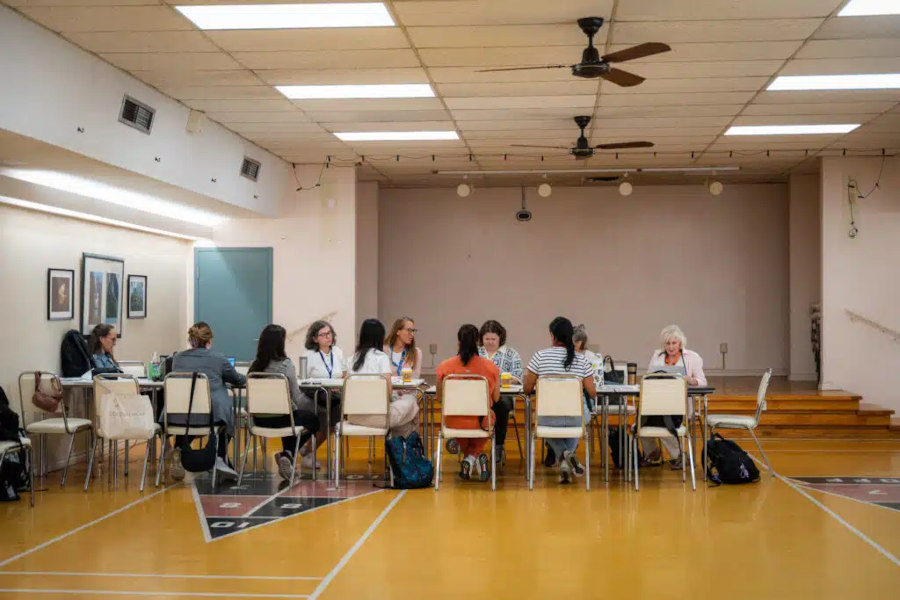
MELBOURNE: In a seniors’ housing building, a health-care team gathers in a shared space while, upstairs, a clinician knocks on an apartment door.
The patient won’t be coming to a clinic that day. The clinic has come to them.
The program, known as a Multidisciplinary Interprofessional Team (MINT) Memory Clinic, is well established in family health teams across Canada. But in Toronto, a team at Sunnybrook has adapted it in a novel way: embedded directly inside seniors’ housing buildings and delivered in tenants’ apartments.
The shift reflects a growing recognition that for many older adults, particularly those with lower incomes and complex needs, traditional models of care may not be as effective.
Through an investment by The Slaight Family Foundation, the program currently supports about 40 tenants in four Toronto Seniors Housing buildings, with plans to expand to three additional sites this fall.
A system built around barriers
Across Toronto, wait times for geriatric assessments are growing, even as the population ages. For seniors living in subsidized housing, those delays can be compounded by everyday barriers: limited income, mobility challenges, difficulty navigating appointments or, in many cases, the early cognitive symptoms that make organization itself a challenge.
“Sometimes even the most basic tests or follow-ups are really hard to access,” said Bailey Hollister, Project Manager – Community Integration at Sunnybrook. “When we don’t bring care into the building, people miss appointments. They don’t get the care they need.”
The MINT clinic model was designed, in part, to address those gaps. Instead of seeing patients in clinics, teams operate out of Toronto Seniors Housing buildings. The aim is simple: reduce the fragmentation that often defines the health care experience.
How the model works
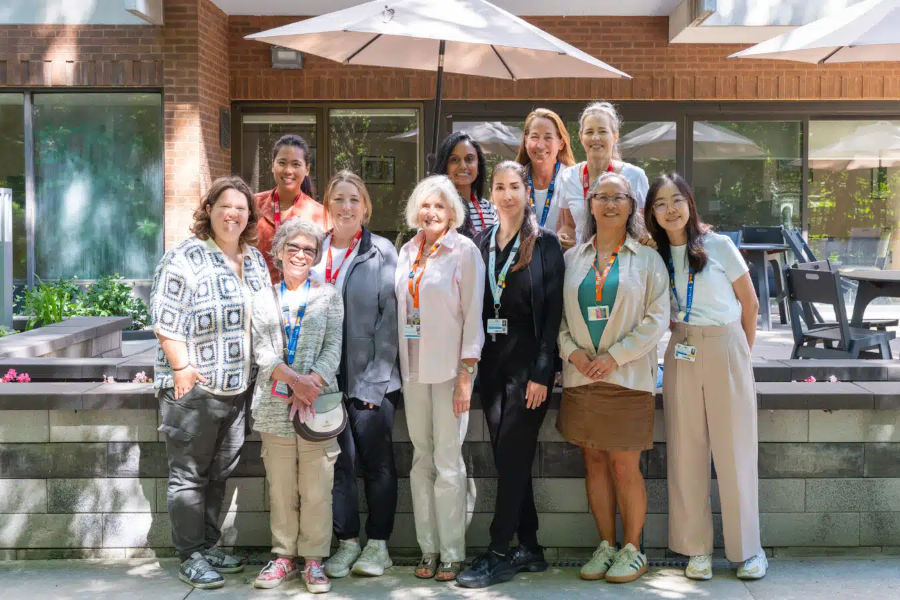
On clinic days, health-care providers of the Neighbourhood Care team, an integrated geriatric model of care working in Toronto Seniors Housing buildings, come together to set up in a building’s common area. Team members include family physicians, nurses, social workers, occupational therapists and pharmacists from Sunnybrook, including the Sunnybrook Academic Family Health Team, Baycrest, and SPRINT Senior Care.
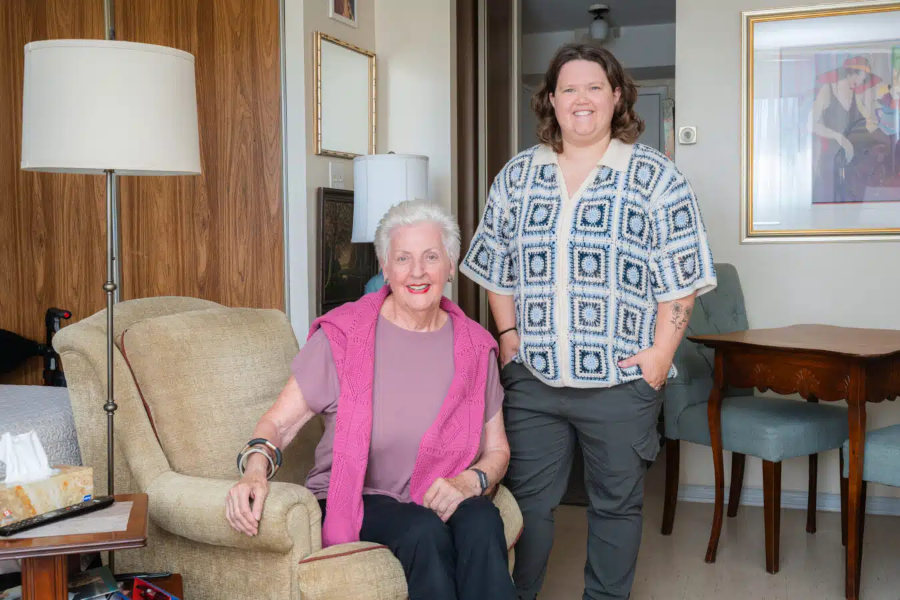
A clinician will assess a tenant in their apartment, performing cognitive tests, reviewing medications, and observing the home environment. At the same time, another team member meets with a “care partner” – a family member, friend or even a personal support worker – to gather additional insight.
The two streams of information are then brought back to the team. Together, they develop a care plan, which can include diagnostic testing, social supports, recreation programming and connections to community services.
Some elements are handled directly by the team. Others, such as imaging or lab work, are coordinated with the patient’s family doctor, with staff helping remove logistical barriers like transportation.
“It’s a very full picture,” Hollister said. “We’re not just looking at cognition, we’re looking at what’s happening in their life.”
That includes addressing issues that might otherwise remain invisible in a clinic setting: food insecurity, social isolation or unsafe living conditions.
Care at home, not in crisis
For many seniors, the intervention comes earlier than it otherwise would.
“In the traditional system, you often see people at a crisis point,” Hollister said. “We’re trying to get involved before that happens.”
Hollister recalls the example of one tenant, a woman in her 80s that illustrates this. Living alone after the death of her partner, she had become increasingly isolated. Her apartment had deteriorated into severe clutter, and she had stopped eating regularly or seeking medical care.
Through the program, she was identified and assessed. The resulting care plan went beyond diagnostics. It included deep cleaning her apartment, connecting her with ongoing support and ensuring she received appropriate medical follow-up.
Without that intervention, Hollister said, even accessing her home safely would have been difficult for care providers.
Now, she remains in her apartment – the outcome she most wanted.
Aging in place
That preference is nearly universal among tenants.
“I’ve never met a tenant who wants to live anywhere else,” Hollister said. “They want to stay home.”
For the MINT Clinic team this means finding balance. Helping people stay at home means balancing safety with their independence, especially for those with cognitive decline.
“The more we’re physically present in the building, that’s also a key to building trust, especially for tenants who may have experienced barriers or trauma in the health-care system,” Hollister said.
It also allows clinicians to observe conditions firsthand, from medication management to fall risks, offering insights that would be difficult to capture in a doctor’s office visit.
As Canada’s population ages, health-care systems are grappling with how to deliver more complex care to more people without overwhelming hospitals and specialists. Programs like this point to new ways of delivering support, especially for underserved populations.
“This is one way that could help address long wait times and growing demand, especially for underserved populations,” said Hollister.
For now, the work continues one building at a time, one apartment at a time – bringing care directly to those who need it most.