New design standards in social housing developments
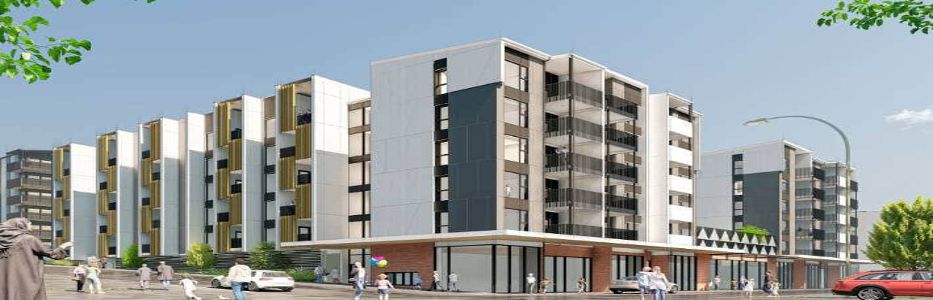
NEW YORK: New design standards in social housing projects are becoming increasingly evident, as the age of indifference passes.
A new public housing development on the capital’s largest social housing site will provide homes for about 900 people.
Housing Minister Megan Woods announced on Thursday a $296 million investment from the Government’s public housing funding to build the Arlington Development in Mt Cook.
All the homes will be public housing to help address the Wellington region’s ongoing housing crisis.
There will be 300 new homes, plus shared amenities such as a playground, a community centre, community gardens, offices, and an orchard.
Arlington Apartments will be located on a 17,000-square-metre site in Mount Cook, that was once home to the now-demolished Arlington Apartments. It will sit between Arlington and Hankey Streets, and Taranaki and Hopper Streets.
“This site and area have a rich history of social housing and a strong sense of community,” Woods said.
She hoped the development would allow residents to “build a sense of belonging, pride, and connection with their homes and wider community.”
Kāinga Ora’s development will consist of 16 buildings, ranging from town houses to six-storey apartment blocks.
All the homes will be built so they are energy efficient with high standards of sustainability.
Construction of the first set of 16 blocks is scheduled to start later this year and the rest of the homes will be finished in stages between 2023 and 2025.
Architectural lead Design Group Stapleton Elliott incorporated concepts developed by local iwi alongside regeneration and urban design.
The homes will be built using light-engineered timber, which has lower carbon emissions and enables the use of off-site manufacturing for some of the build.
Up to 7.5 per cent of the construction funding will be allocated to businesses such as Māori and Pacific-led local businesses or social enterprises.
Employment and training opportunities for 40 apprentices and four new graduates with at least 50 per cent of these roles for those who identify as Māori, Pacific and women or Kāinga Ora customers.
Wellington City councillor Tamatha Paul, who has advocated for more public housing, said it was a step in the right direction.
“It’s a good start, but there are thousands of people on the waitlist. There are thousands of families sheltering in emergency housing who are in desperate need of houses,” she said.
“It will definitely have a major impact on the overall housing crisis because these families won’t have to scrap it out in the private market against tenants who are preferred by landlords.”
She wanted to see more Government support for council housing, which can cater to people who don’t meet the same Kāinga Ora threshold of urgent need.
Writer and housing campaigner Max Harris said Wellington needed to have more large public housing developments to tackle its housing crisis.
“In particular, I think public in-house construction is the best way to lift that scale, because governments can borrow more cheaply and get economies of scale on building material,” he said.
Kāinga Ora entered into an agreement with Wellington City Council in 2019 to lease, develop and maintain the site for 125 years.
Since then, all the previous buildings have been demolished and infrastructure work has been underway.