Model multigenerational disability village to be created
NEW YORK: A model multigenerational disability village is being set up as part of a new community for 150,000.
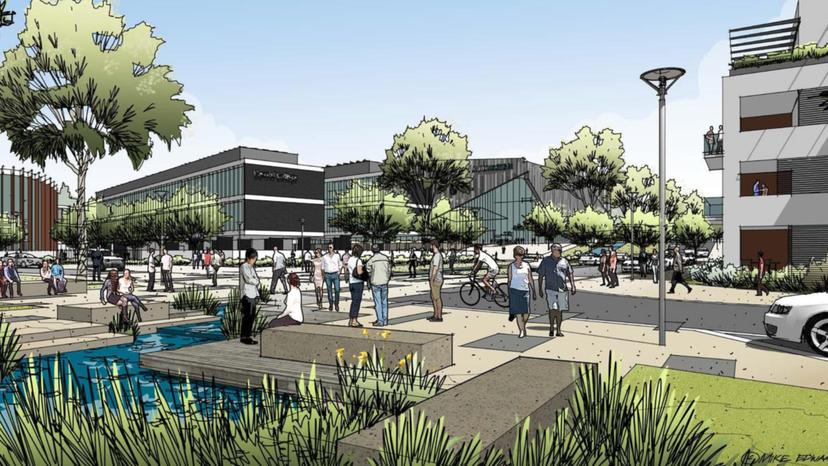
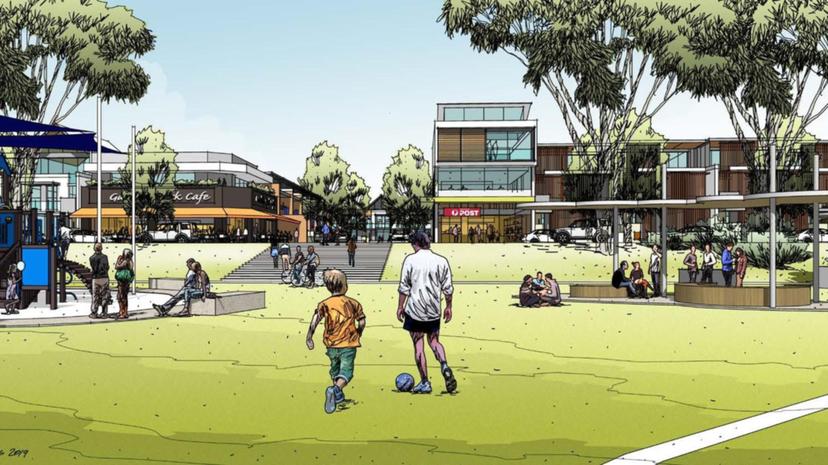
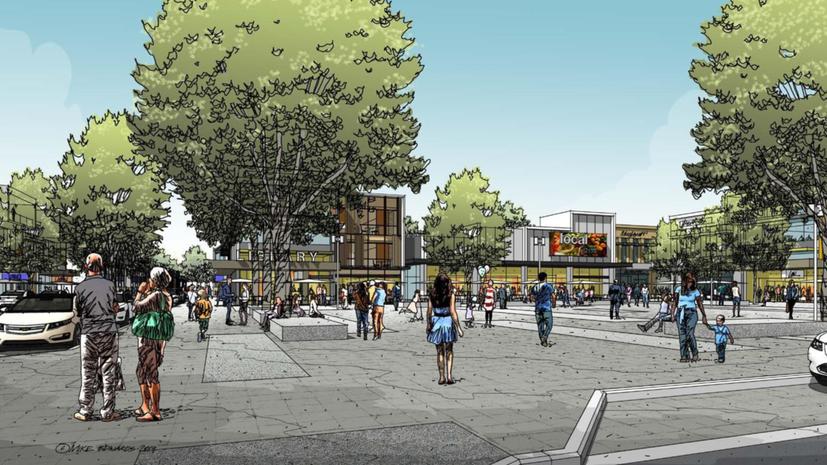
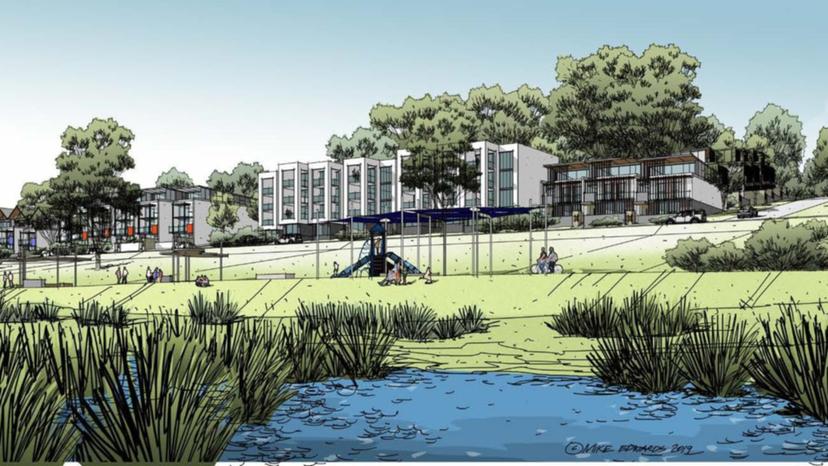
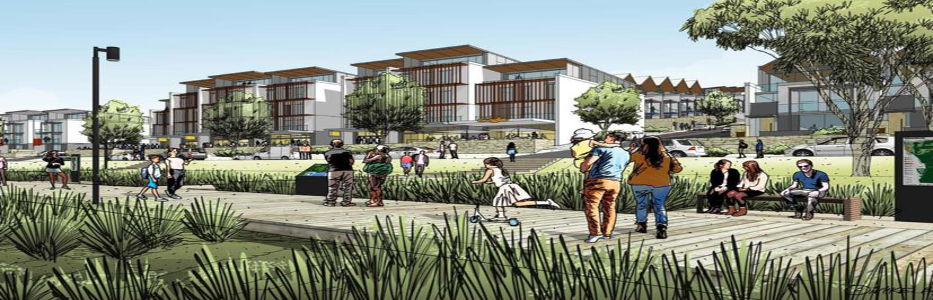
Sleepy Gnangara — home to a few hundred homes and market gardens — will get high-density apartment blocks and cosmopolitan touches such as an art gallery under a new long-term plan.
The plan for the East Wanneroo district, finalised this week, will guide development for 150,000 residents over the next 50 years, up from the current population of 3100, and will be supported by six new high schools and up to 30 primary schools.
Gnangara will be the star suburb in the 8300ha development area on the largely rural tract of land between Gnangara to Pinjar. Earmarked as a district centre, it will include a high-density area for 7500 dwellings with apartment blocks up to six storeys high. Gnangara will include four primary schools and a multi-level high school.
And it is not just housing that is being planned for, with land set aside for a performing arts centre, an aquatic centre, an art gallery, as well as shopping and entertainment facilities. It is also tipped for a future train station, though this has not yet received funding.
Development will start in 2031.
Central Mariginiup and North Mariginiup will be the second most populous areas, with 3800 and 4000 homes respectively.
Planning Minister Rita Saffioti said the plan, which has been years in the making but has only just been finalised, gives property-owners certainty. She is supported by Gnangara United Landowners Association, which said it had been waiting for urban zoning for three decades.
However, the Gnangara Residents Action Group said locals did not want the area urbanised.
The district will require some compulsory land acquisition.
The Department of Planning, Lands and Heritage yesterday confirmed “some acquisition of land will be required for essential infrastructure such as roads, high schools and parks”, but added it was too soon to say how much land would be affected.
Also, 15ha of state forest — from a total of 1000ha — as well as some water catchments, would be rezoned for development, and “some degraded portions of Bush Forever sites” would be used housing or parks.
A further 280ha deemed to have high-quality native vegetation, mostly owned by private landowners, may be protected as parks and recreation reserves.