‘I have to raid my pension because I can’t get a job in my 50s’
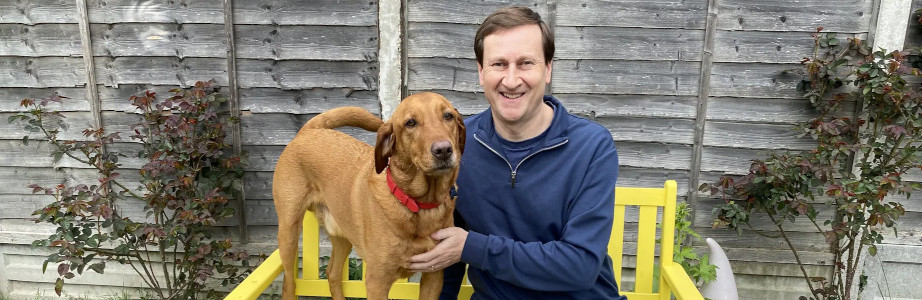
LOS ANGELES: Before the pandemic, David Prescott had never really worried about getting jobs. “I was happily running along in IT. I went from job to job,” he says.
But that all changed when the 57-year-old was made redundant in the summer of 2021 after being put on the furlough scheme.
What followed was a long battle to try to re-enter the workforce – which eventually ended in early retirement.
Prescott is one of many people over 50 who are struggling to find work in today’s punishing jobs market, and are being forced to take increasingly drastic measures to make ends meet. For Prescott, this meant taking his lump sum from his pension early, something experts warn could lead to financial difficulties later on in life.
“Covid came along and it all went a bit pear-shaped,” Prescott, who lives in Chelmsford, Essex, says. “I applied to hundreds of jobs and got next to nothing back.”
The pandemic dramatically changed the hiring landscape. Face-to-face interviews disappeared, and rejections were often delivered by brutal automated emails.
“When I did get an interview it was always on Teams. I was better face-to-face with people. I had some horrible interview experiences,” says Prescott.
He added that when he did receive a response, it was an automated email: “I tried to get further information by going back to them, but you wouldn’t get much at all.
“I had the odd job but nothing permanent. Even my brother-in-law allowed me to manage his pub for a short time, just to generate an income.
“Once you’re above 50, it’s really difficult.”
The unemployment rate for those aged between 50 and 64 jumped from 2.4pc in 2024 to 3.1pc in 2025, according to the Department for Work and Pensions. There are approximately 875,000 workers in this age group looking for a job, government statistics published in September found.
After a period on unemployment benefits – and setting up a company that didn’t get going – Prescott realised he might need to act urgently to make sure that he had an income to live on.
When he lost his job, he’d just moved house, but he and his wife had managed to pay off the mortgage. Despite that, Prescott couldn’t afford to not have any income.
The father-of-two decided to take a £65,000 tax-free lump sum from the pensions he had built up working for BT and Essex county council. Alongside money from his mother – which he used to buy a rental flat – this has allowed him to generate enough income to live on.
The lump sum is now held in cash and Premium Bonds, which pays him approximately £200 a month towards his expenses. On top of a rental income of around £16,000 a year, this has left him feeling “absolutely in control”.
At 55, savers can take up to 25pc of their pension pot tax-free, up to a maximum of £268,275. From April 2028, the age requirement will rise to 57.
Catherine Foot, of pension provider Standard Life, says that savers are seeing the lump sums as “a means to solve an immediate problem, to give them some control over their financial security”.
Six in 10 pensioners plan to take their lump sum – either in one go or in several transactions – according to research by the Standard Life Centre for the Future of Retirement.
Of those pensioners, 30pc plan to use it for a big outlay, such as a holiday or a car, with another 30pc planning to use it for day-to-day costs, as Prescott has. Another 17pc want to reduce their working hours.
Foot says that some plan to use their lump sums to pay off a mortgage, or to clear other debts.
But taking a tax-free lump sum can reduce a saver’s income in their later retirement, especially for those with defined-contribution pensions, rather than pensions which pay out a guaranteed income. Foot explains that savers are not always thinking about their lump sums as money for retirement.
“We need to be realistic about how people are actually using their defined contribution pots, how they’re thinking about them, and how, perhaps perfectly rationally, people are not necessarily treating all of their pension money as retirement income. Far from it,” says Foot.
Prescott still has money in other pensions, which are managed separately, including in a self-invested personal pension (SIPP). Before he took his lump sum, he was worried about how it would impact the amount of money he had later in his retirement.
“I was worried to start with,” he says. “But these products allow you to do forecasts, so you can see what happens.”
Prescott says that he and his wife, who is also retired, have “done some expensive things,” including holidays, and buying a caravan in Suffolk. But he adds: “It’s as and when, and it’s not coming from my living expenses.”
The biggest upside of the money has been no longer having to worry about finding a new job. He says: “For a long time I had a very big smile on my face every day. I am very happy to be retired and not doing anything. Working is the most stressful thing you can do.
“All that’s gone. I can just have a small income.”