First 3D printed tiny home using recycled plastic produced
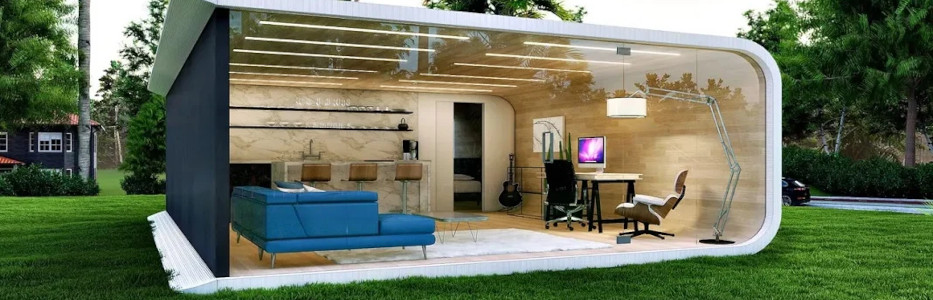
LOS ANGELES: The southern hemisphere is to get its first 3D-printed home made from recycled plastics following a landmark deal between Hyperion Systems and Little Castle Homes.
A game-changing technology from WA startup Hyperion will help use household and industrial plastic waste that would otherwise go into landfill — to create affordable tiny homes.
The cabins will be built in less than two days using a gantry-based system to lay strips of heated polymer plastic, layer upon layer, in a cabin shape.
The upcoming 28sqm, one-bedroom cabin with kitchenette, bathroom and living space, will be fitted out with high-end finishes like fibre cement internal wall linings and double-glazed aluminium windows.
Hyperion Systems chief executive Josh Wigley — who won innovator of the year award at Indopacific Maritime Exhibition for his 3D-printed boat — said printing technology could help address the housing crisis.
It was also a milestone in sustainable construction and in Australia’s advanced manufacturing sector.
“This project represents a breakthrough in how we think about construction,” he said.
“By using recycled plastics and advanced manufacturing techniques, we are not only reducing material waste but also significantly improving production speed and labour efficiency.”
Mr Wigley said 3D printing had a “sustainability advantage” because it enabled the use of recycled and low-waste materials, significantly reducing the overall environmental footprint compared to traditional construction methods.
With the modular units to be developed in Hyperion’s Henderson warehouse, it would also free up skilled labour.
Other builders have reported hundreds of homes across Perth sitting at a standstill as they struggle to source trades.
“By manufacturing components off-site in a controlled environment, projects can be delivered faster and with greater consistency,” Mr Wigley said.
“Together, these innovations represent a practical pathway toward more sustainable, scalable and efficient housing solutions.
Under the design, the cabin’s two plastic “skins” are 10-15mm wide and set 10mm apart, with a reinforcing structure and channelling for electrical cables and pipes set in-between.
The walls are termite resistant, meet fire-retardancy standards and can handle environmental heat of more than 55C.
Mark Hughes from Little Castles Small Homes said it was exciting development.
“We’re not just building a tiny home differently—we’re shaping how homes should be built into the future,” he said. “More sustainable, more considered and making better use of what we already have.
“It’s about creating healthier spaces and proving smaller homes can deliver a higher standard of living.”