Stem cell hope emerges for disease of brain
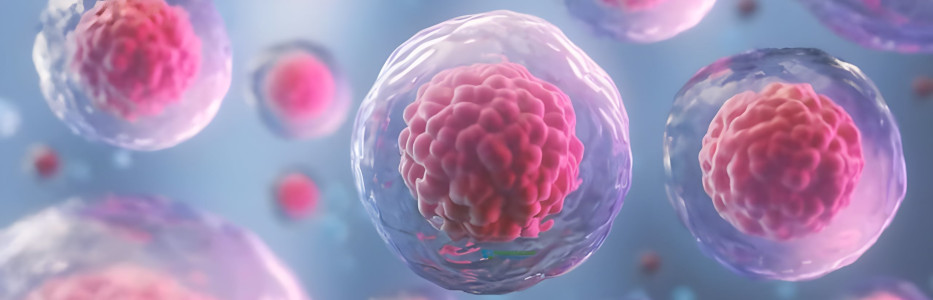
MELBOURNE: In a world first Australian researchers will test a one-off therapy that could replace damaged brain cells in people with Parkinson’s disease.
Australian patients will be the first to trial the therapy, with recruitment expected to start in two and a half years.
The researchers hope using the unique stem cell therapy, engineered to evade the immune system, can reverse the devastating effects of the disease that is the fastest growing neurological condition in the world.
By “hiding” from the immune system it is hoped the stem cells can survive and function without the need for long-term immunosuppression which carry significant side effects, a major limitation of other stem cell approaches.
Parkinson’s disease affects more than 10 million people worldwide with around 50 new cases diagnosed in Australia every day.
Parkinson’s Australia says its prevalence is now higher than that of many cancers, including breast, colorectal, stomach, liver, and pancreatic.
In Parkinson’s disease nerve cells in the brain, called neurons, slowly break down or die. Many disease symptoms are caused by a loss of these neurons that produce a chemical messenger in the brain called dopamine.
“By restoring dopamine in the brain that is lost as a result of Parkinson’s disease, we are confident we will be able to not only halt progression but also modify the disease in a targeted way to reverse the damage,” Professor Clare Parish said in announcing details of the program on Thursday.
She is The Florey Institute of Neuroscience and Mental Health’s Deputy Director and a leading stem cell researcher.
Professor Parish will co-lead the five-year project’s preclinical research. It will include studies to test the safety and effectiveness of using lab-grown dopamine-releasing neurons together with researchers from the University of Sydney.
“At the moment we treat symptoms (of Parkinson’s) and these drug treatments lose their efficacy with time and have many side effects,” she said.
“This is designed to be a one-off therapy, it will not only treat the symptoms, it will reverse them.
“So a patient with tremors or challenges with their movement will not only stop progressing, they’ll actually get better. It will be a game-changer.”
Partners will also include Monash University and WEHI, and then progress to the first human trials led by the Royal Melbourne Hospital (RMH) and later the Alfred Hospital.
The researchers are looking at a therapy developed by regenerative medicine company iCamuno Biotherapeutics which has research laboratories in China and Australia.
The therapy involves transplanting dopamine-releasing neurons to replace those that die in the disease.
It uses a modified stem cell line engineered to evade recognition by the immune system after they have been implanted into the brain, reducing the risk of them being rejected and importantly, the need for immunosuppression drugs.
The project is part of a $4.6m research program supported by the Commonwealth’s Medical Research Future Fund.
“In effect, we are aiming to turn back the clock on Parkinson’s and give people living with the disease the movement and brain function they have lost, hallmarks of the disease which have profound effects on their lives,” Professor Parish said.
The final stage will be a clinical trial led at the RMH by its Director of the Movement Disorders Service Dr Andrew Evans, with expansion to the Alfred Hospital.
Dr Evans previously led the world’s first early clinical trial of stem cell therapy for Parkinson’s disease.
“This will be one of the first clinical trials to test whether a hypo immune neural cell therapy, which is specifically engineered to evade the immune system, can survive and function without the need for long-term immunosuppression,” he said.
“We have built significant expertise in delivering stem cell therapies for Parkinson’s disease and are well placed to conduct this trial safely and rigorously, while generating the data needed to support future clinical development.”
The lead investigator of the research program is Dr Matthew McCormack, Senior Director at iCamuno Biotherapeutics and Adjunct Associate Professor at Monash University.
In a statement he said the program had used AI-guided virtual cell modelling, a platform that simulates living cells, to enhance the quality, consistency and scalability of therapeutic neurons.
“If successful, the approach could support a one-time, disease-modifying treatment for Parkinson’s disease, something not achievable with current therapies, which only manage symptoms,” he said.