Low cost modular homes promise fast multigenerational housing fix
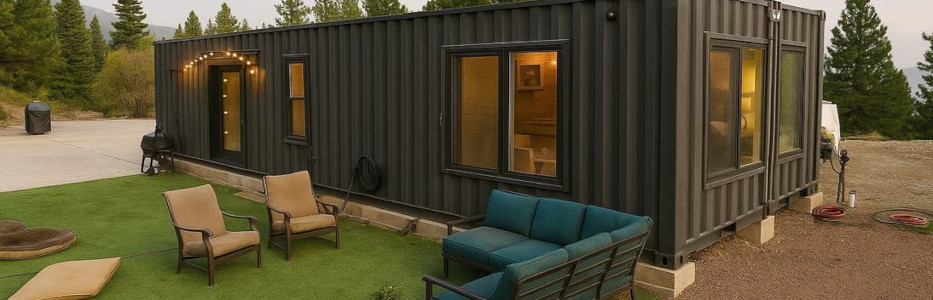
LOS ANGELES: Low cost modular homes are set to provide a multigenerational affordable housing fix.
A US start-up claims it can build a designer home in just 40 days for $80,000 — and it’s betting millions that Australians will buy into the dream.
Capsul, founded by entrepreneur Ali Zaidi, has launched a $10m investment to bring its modular “designer pods” to Australia, priced between $80,000 and $150,000.
Each home is built off-site in a controlled facility, fitted with a kitchen, bathroom, flooring and solar-ready wiring, then delivered ready to move in.
Capsul isn’t just a housing company, it’s a revolution,” Mr Zaidi said.
“In 30 to 40 days we can build a space that changes a life, powers a business or builds a community.”
The company’s timber-clad, Scandinavian-inspired designs have already attracted interest from first-home buyers, retirees and Airbnb hosts, with plans for eco-resorts and “Capsul villages” in regional Australia.
“The old dream doesn’t work for the new generation,” he said.
“For a fraction of the cost, Capsul buyers get a modern, beautifully designed space built in weeks, not years.”
Melbourne buyers’ advocate and mortgage broker Madeleine Roberts said modular homes weren’t “a silver bullet” but could help fill gaps in a system slowed by red tape and rising land prices.
“It’s not the whole solution, but it’s part of it,” Ms Roberts said.
“They’re fast, practical and affordable enough to help families who want a separate space for grandparents or adult kids.”
Ms Roberts said planning and zoning laws remained the main barrier in states such as Victoria, where modular homes are treated like traditional builds under the National Construction Code and council overlays for flood, bushfire and heritage zones.
“Even if it’s built in a factory, it’s treated exactly the same once it hits the block,” she said.
“You still need a permit, you still need compliance, and that can take months.”
The Melbourne buyers advocate and broker said Queensland’s approach, requiring a permit through a QBCC-licensed builder for any modular home valued over $11,000 was “more flexible” than in southern states because some temporary dwellings could move faster through the system.
In New South Wales, relocatable and flatpack homes fall under the Manufactured Homes and Moveable Dwellings framework, meaning most need development consent if they’re used as permanent dwellings, Roberts said that left many small builders in limbo.
“If it’s on wheels it can sometimes bypass approval, but once you hook up plumbing, you’re back to full compliance,” she said.
She added South Australia applied similar rules, with modular projects assessed under the Planning, Development and Infrastructure Act, requiring the same energy, fire and structural standards as conventional builds.
Mortgage broker Rebecca Stella said modular living was gaining ground nationwide, especially as governments made it easier to add small dwellings to existing blocks.
“People are rethinking what they need,” Ms Stella said.
“These homes are cheaper, faster and more sustainable, and they’ll only get better as the regulations catch up.”
Ms Stella said Victoria’s new secondary dwelling reforms, which allow smaller backyard homes without a full planning permit, could be a turning point.
“If you can add one of these to your backyard without going through months of paperwork, that’s huge,” she said.
“It gives families, downsizers and young adults a real option to stay close to home.”
The mortgage broker said interest was strongest in lifestyle regions such as Torquay, Lorne and Byron Bay, where residents wanted flexible guest accommodation or short-stay rentals.
“It’s not going to fix the market overnight, but it’s a step toward smaller, smarter living,” Ms Stella said.
“People want freedom and affordability, and this points in that direction.
“While the $100k home won’t end the housing crisis but what is does highlight is a market hungry for innovation, and a generation ready to rethink what homeownership looks like.”