Architects designs stepped senior housing to “balance togetherness with independence”
LOS ANGELES: An architect is attempting to rejig seniors living with design innovation.
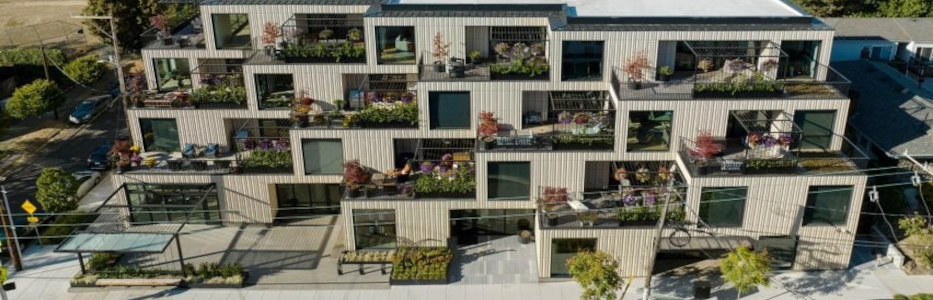
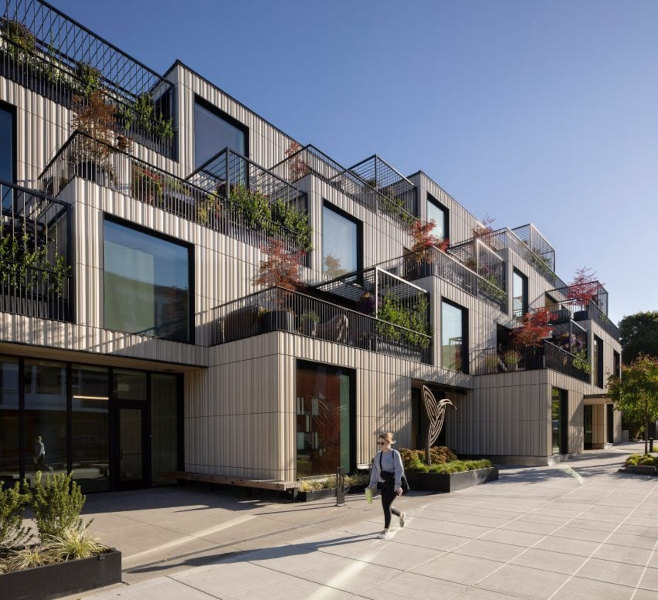
Fluted terracotta siding and stepped terraces cover the exterior of a Portland building by Hacker Architects, which was designed for a group of seniors who banded together to create their own age-in-place housing.
Encompassing 34,000 square feet (3,159 square metres), the Ellen Browning Building was designed for a group of longtime friends who were in or approaching their senior years and wanted to remain close as they continued ageing.
The group came together to fund the design and construction of their own condo building, which would function as a type of co-housing, with local studio Hacker Architects overseeing the design.
“By developing their own residential building, the friends would be able to balance togetherness with the independence of urban living,” said the architectural studio.
For the location, they chose a vibrant commercial district in south east Portland, in a walkable area with amenities and healthcare services. Selecting this specific location was part of their overall strategy to age in place.
The building itself was designed to maximise “the urban experience for occupants and neighbours alike”.
Roughly rectangular in plan, the building has four above-grade levels, which are connected by stairs and elevators. There also is a small, underground parking garage.
The ground level is mixed-use, while the central two floors contain residential units.
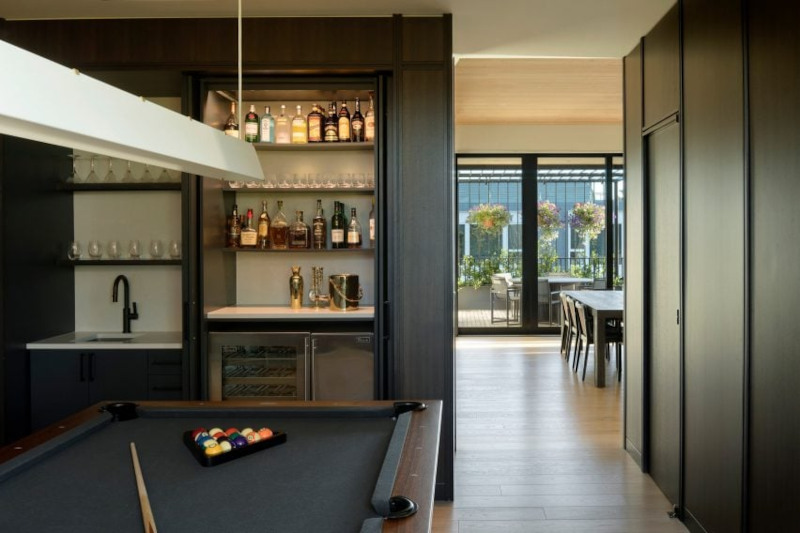
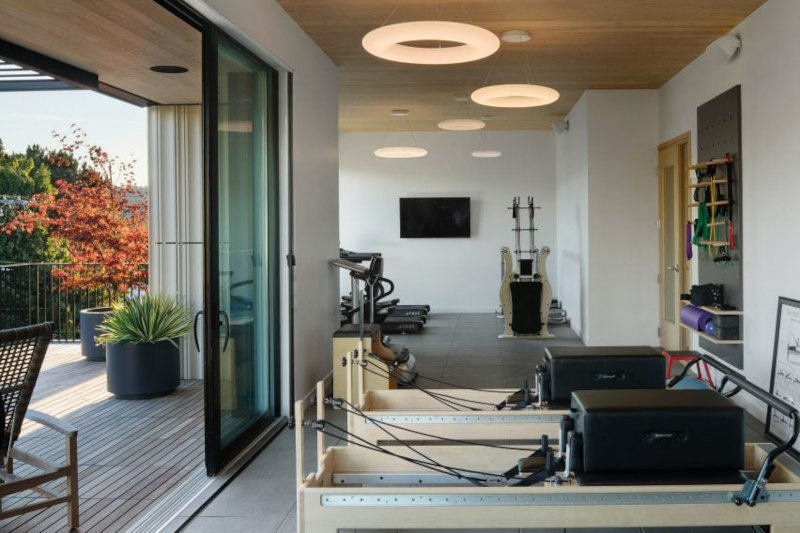
The top floor holds the communal zone, including spaces for swimming, cooking, dining, reading, playing games, watching movies and other activities.
“Clustering all of the shared spaces on one level ensures there’s plenty of room to be by oneself or with others regardless of activity,” the team said.
There are a total of 10 residential units, ranging from 1,000 to 4,000 square feet (93 to 372 square metres). The residences are a mix of condos and rentals.
Three of the units are located on the ground floor and are set aside for renters, guests or future on-site caregivers.
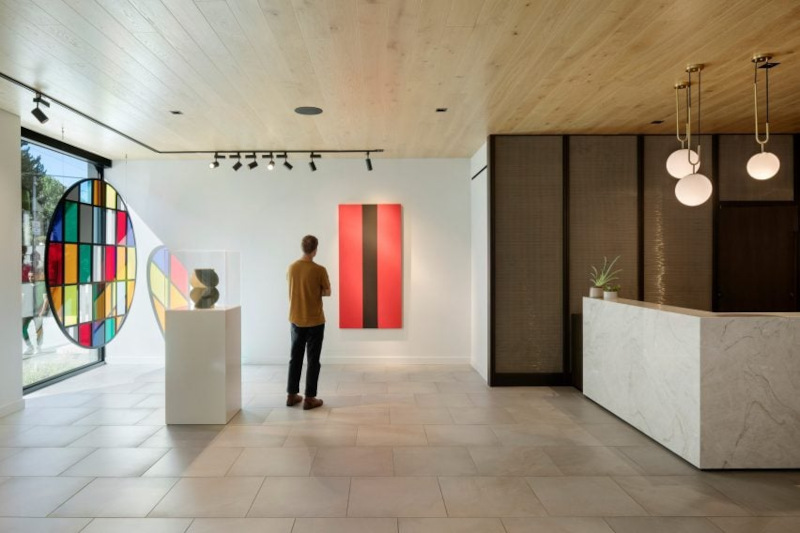
The ground level also contains retail space and a public art gallery, which “adds dynamism to the cityscape, reflecting their collective interest in creating a building that contributes to the vitality of the neighbourhood”.
Facades were clad in fluted, cream-coloured terracotta panels that form an “urban canvas for daylight”.
“The textured exterior translates the ever-changing quality of light to visually animate the building and the neighbourhood through color and shadow,” the team said.
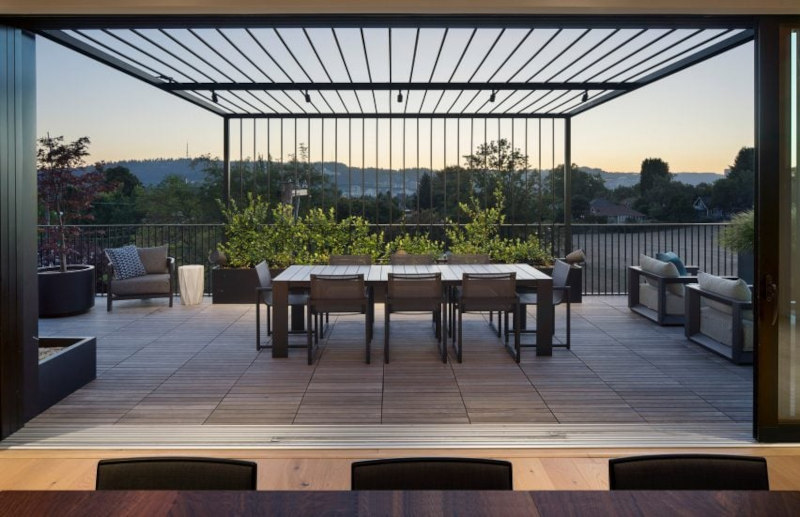
To break down the scale of the building, the studio used stepped massing, resulting in terraced patios.
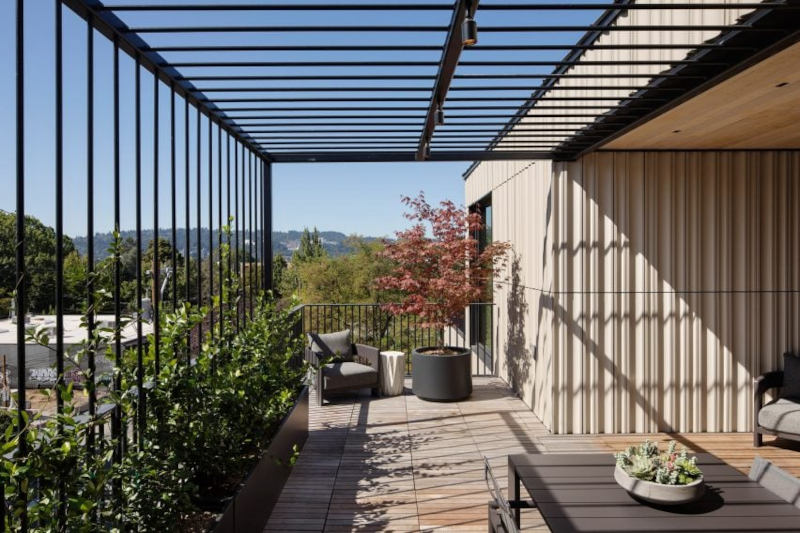
Metal railings and trellises accommodate the growth of a flowering vine called star jasmine, which eventually will cover portions of the exterior.
“The terraces, which feature verdant, leafy privacy screens, function as vertical front yards where residents can engage with their friends and enjoy the outdoors and the urban setting,” the team said.
The building has a post-tensioned concrete frame, and its top floor was built using cross-laminated timber (CLT) decking and glue-laminated beams.
Prefabrication of both the CLT elements and terracotta facade panels helped shorten the project’s construction time and reduce costs.
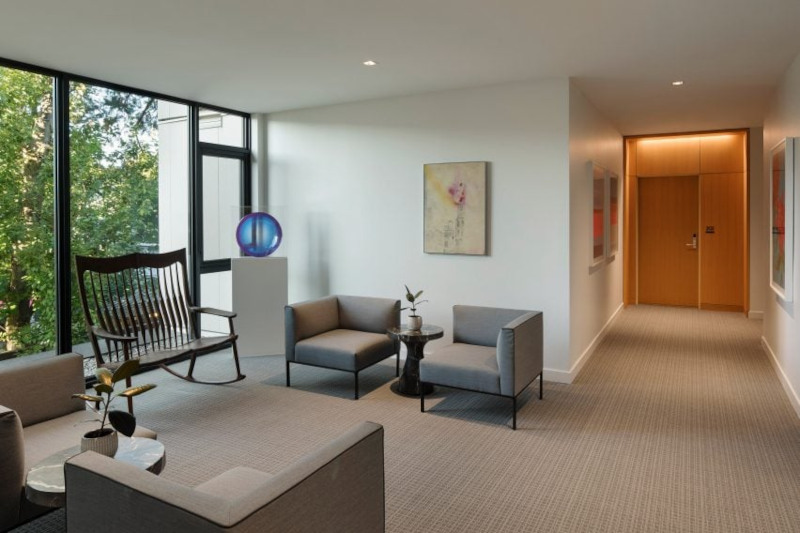
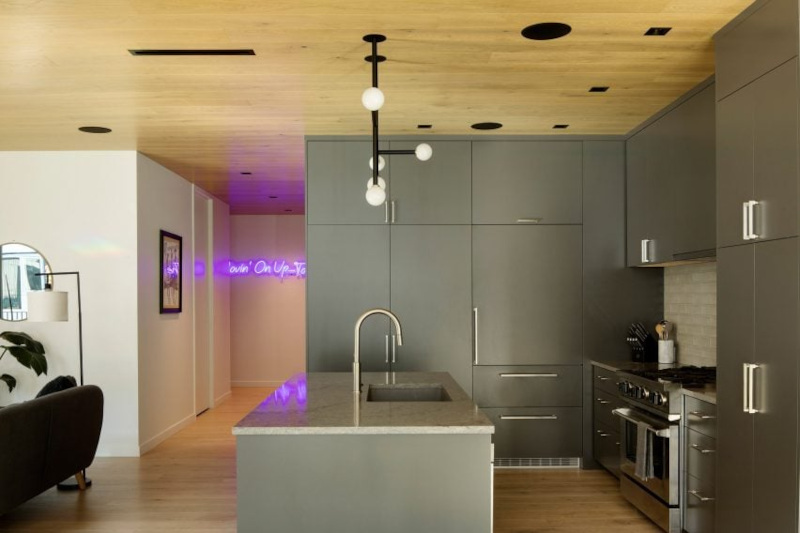
The interior features a simple palette of finishes, including gypsum board walls and white oak flooring and ceilings. Each resident chose their kitchen and casework materials from a set of standardised offerings.
Beyond the ground-level gallery, artwork was sprinkled throughout the building.
“Art is integrated throughout common areas, and includes a custom chandelier, a digital art display wall and outdoor sculpture, among other pieces,” the team said.
-
- It was designed for a group of long-time friends
-
- The top floor holds the communal zone
-
- The ground level contains retail space and a public art gallery
-
- It has a total of 10 residential units
-
- Living spaces were placed on the two central floors
-
- Daylight features throughout
-
- The terraces “function as vertical front yards”
-
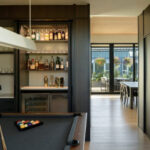
- Oak flooring and ceilings characterise the interior