Cardio workouts for middle-aged people could cut dementia risk
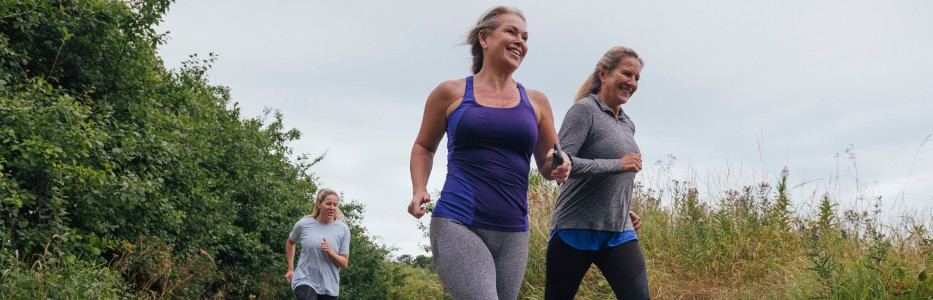
LOS ANGELES: Cardio workouts for middle-aged people could cut the risk of dementia by a third, research found.
A study of 61,000 British adults found that those who have good aerobic fitness were 35 per cent less likely to be diagnosed with dementia.
Cardiovascular fitness is a measure of how well your heart and lungs supply oxygen to your muscles during exercise. It naturally declines as people get older, but can be improved by endurance activities such as walking, jogging, cycling and swimming, as well as high intensity interval training.
For the study, published in the British Journal of Sports Medicine, participants with an average age of 56 were asked to complete a six-minute fitness test on an exercise bike. They were ranked in three groups based on their level of fitness.
The 61,214 participants, who were enrolled in the UK Biobank study, were then followed for 12 years and completed tests measuring their brain function and memory.
Over this time, 553 people were diagnosed with dementia and rates were significantly lower among the group with the best cardiovascular fitness, compared to the most unfit.
Physical fitness also delayed the onset of dementia and Alzheimer’s disease by one and a half years on average.
The study, led by a team at the Karolinska Institute in Sweden, found that physical fitness was able to mitigate the extra risk of dementia from genes linked to the condition.
The authors said: “Our study shows that higher cardiorespiratory fitness is associated with better cognitive function and decreased dementia risk. Moreover, high cardiorespiratory fitness may buffer the impact of genetic risk of all dementia by 35 per cent.
“Our findings suggest that maintaining favourable fitness could be a strategy for the prevention of dementia, even among people with a high genetic predisposition.”
The study found that high intensity interval training is the best way to maintain cardio fitness.
There were several reasons why being fit protects against dementia, which affects one million people in the UK and is the nation’s biggest killer. Exercise improves the flow of oxygen to the brain, helping to stop brain cells dying, which is one of the causes.
Dr Richard Oakley, Associate Director of Research and Innovation at Alzheimer’s Society, said: “This research emphasises that exercise is an important part of maintaining a healthy lifestyle and could reduce the risk of developing dementia later in life. It’s positive to see this highlighted once again in a large study of more than 60,000 people indicating the importance of healthy lifestyle changes to lower your risk of dementia.
“What is particularly promising about this study is that exercise also appears to reduce dementia risk in people who have a higher genetic risk of developing Alzheimer’s disease. It’s never too early or too late to make healthy changes.”
Dr Jacqui Hanley, Head of Research at Alzheimer’s Research UK said: “According to the latest research, nearly half of dementia cases globally could be prevented or delayed by addressing 14 risk factors, and keeping active is one of them. This new research highlights how good cardiorespiratory fitness, a key measure of overall physical health, could help lower the risk of developing dementia in the future.
“However, it is important to note that we don’t know if there is a direct link between cardiorespiratory fitness and reduced dementia risk, more research is needed to find out exactly how it affects the brain.
“Certain dementia risk factors we can’t change, like age and genetics. Interestingly, this study also looked at cardiorespiratory fitness in people who had variations in their genes that increases their risk of developing Alzheimer’s disease. The researchers suggest that people who were in the ‘medium’ risk group who had a better cardiorespiratory fitness may be able to decrease their risk of developing dementia by 35 per cent. Understanding this interaction more could reveal new ways to help prevent dementia from developing in people who are at a higher risk.
“But what we do know is that dementia is not an inevitable part of ageing, and there are things we can all do to help reduce our risk of developing the condition.”