Five of most innovative community housing developers in 2021
NEW YORK: Over the next 5 days, an innovative community housing developer will be profiled.
Today it will be Liam Wallis.
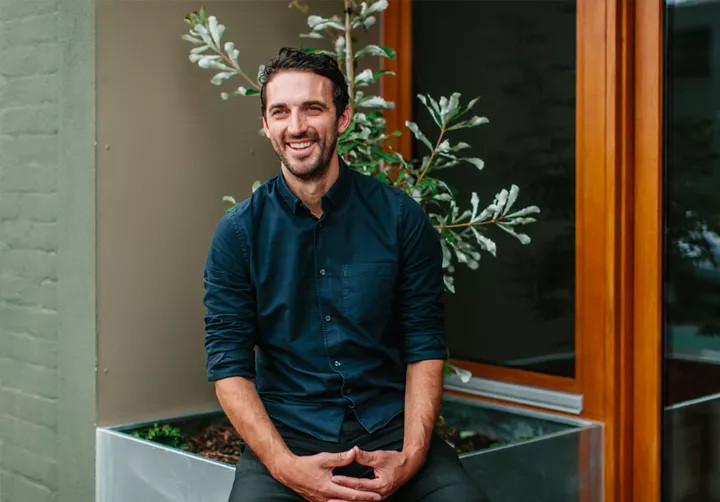
Liam Wallis is a boots-and-all kind of guy.
The Hip v Hype founder lives and breathes the ethos that underpins the highly successful and sustainability-focused business that has created award-winning medium-rise residential developments in the inner-northern suburbs of Melbourne.
He is moved by a desire to do better for the communities he and his colleagues are creating from the ground up, so much so that he is moving his family into one of the buildings that helped put the organisation in the spotlight.
“We’re trying to do things a little bit differently … our key driver is a belief that it’s our responsibility to leave our cities in a better condition than we found them,” Wallis said.
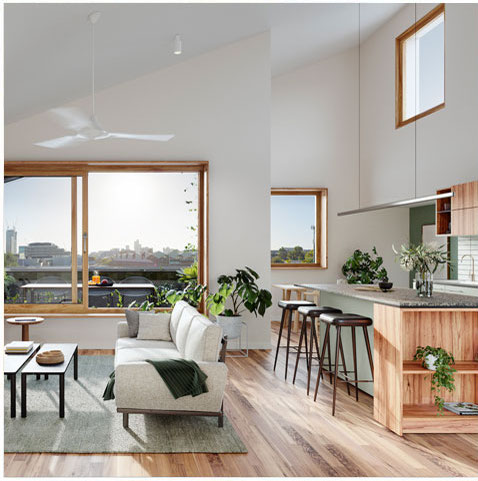
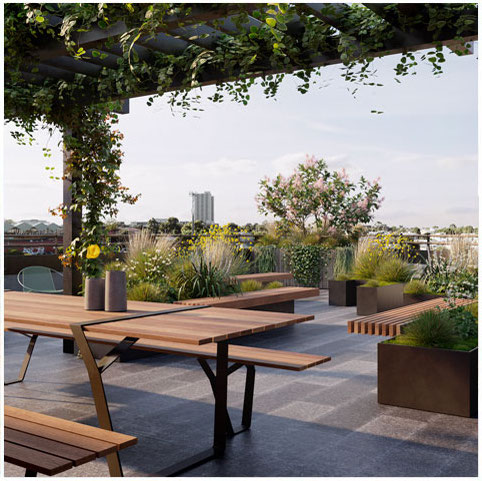
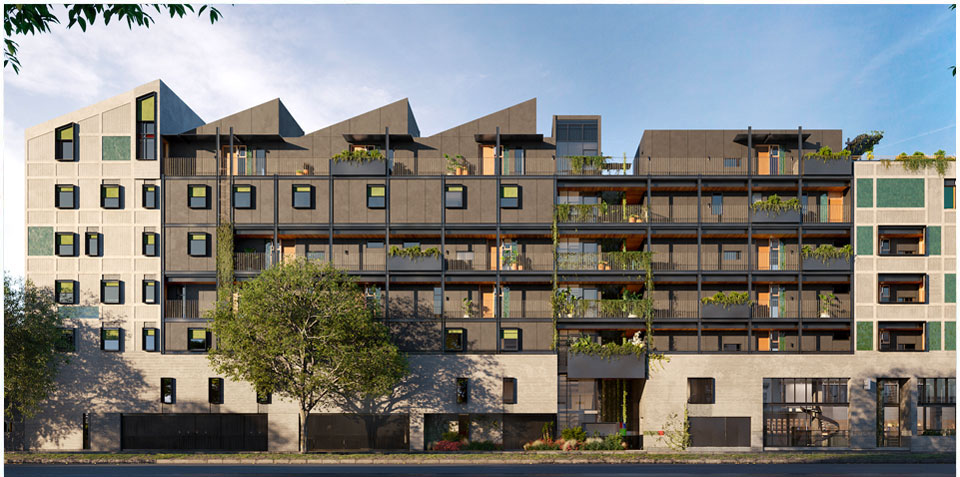
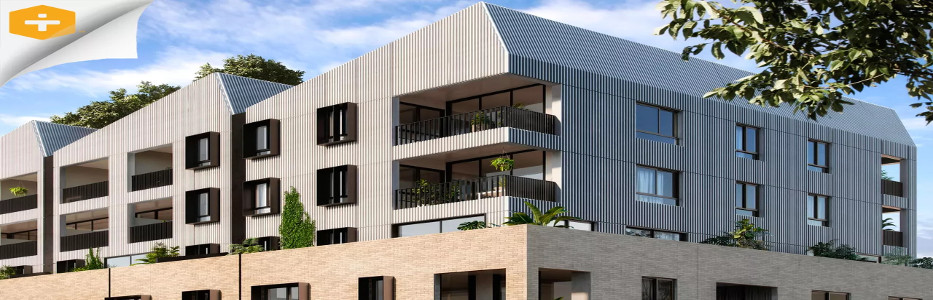
Such is the appetite for their brand of development that almost two-thirds of the 22 carbon-neutral apartments in the Ferrars & York development were sold off the plan, between two of Melbourne’s lockdowns last year.
It’s under construction and due for completion early in 2022.
“It’s the culmination of the past six years and will be the best project we have done. It’s been an iterative learning [process] from project to project,” Wallis said.
The building will have an 8-star NaTHERS (thermal energy) rating and will use 100 per cent renewable energy and solar panels, and embodied carbon offsetting.
Hip v Hype is branching out to Northcote this year with a 28-apartment medium-density development near a cinema and organic food market on Highgate Street.
Wallis said key to their developments was finding quality locations, close to thriving community spaces, with the right orientation to capture thermal energy and ventilation.
“The market is demanding more out of development, it’s starting to demand better,” he said.
The business also provides sustainability consultancy with in-house expertise for big and small developments, as well as passive certification.
Wallis said “it’s inevitable” that this Melbourne-centric style of development will proliferate throughout Australia to address infill opportunities.