New home designs catering for multigenerational living
NEW YORK: Home design is increasingly been eschewed towards multigenerational living.
Take a look inside your average new home and you might notice something a little different about the floorplan.
A lot of new builds now have the ability to cater for multiple generations living under the one roof.
A second main bedroom, extra living spaces and, in some cases, ensuites for everyone are in-demand as part of a lifestyle shift.
Metricon design manager Ricky D’Alesio said multigenerational living could include adult children caring for ageing parents, grandparents caring for grandchildren, or parents supporting adult children living at home while they studied or saved for their own home.
“We have seen a greater demand in the past five years for these types of homes as the population of Australia grows and the cost of property rises,” Mr D’Alesio said.
Porter Davis sales manager Nicholas Mihelis said the lifestyle was also a cost-effective solution for families limited by the high price of residential aged care.
“Every family is different: some want a completely separate space for grandparents with a bedroom, bathroom and their own lounge to allow greater independence, while others may be happy to have just a separate bedroom and ensuite,” Mr Mihelis said.
Burbank head of research and design Damjan Jeremic said to think about your needs now and how your house would be able to cater for your family as it changed, aged and grew.
Mr Jeremic said some rooms would be transitional at first, but as you moved through different stages of life, they could take on a more permanent arrangement.
“A double-storey home with a guest bedroom and bathroom on the ground floor could easily become a bedroom for live-in grandparents or an adult child down the track,” he said.
He encouraged buyers to look at designs that offered flexibility. For instance, Burbank has a number of floorplans that are not specific to multigenerational living but could easily be tailored to suit.
“You might add an extra main bedroom with ensuite to a double-storey home by simply removing one of the ground-floor living spaces,” he said.
Mr D’Alesio said about 70 per cent of Metricon’s house designs could accommodate multigenerational living. He found the most popular were those where most, if not all, the bedrooms had ensuites.
“Plenty of bathrooms and toilets is important, with so many people living under the one roof, because no one likes waiting in line,” he said.
“Attaching ensuites to bedrooms also gives each person their own sanctuary.”
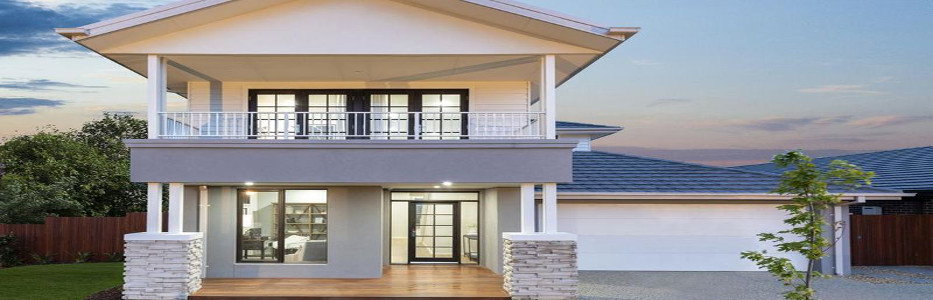
Single-storey designs will likely have the two main-bedroom suites at opposite ends of the house. In double-storey homes, one main bedroom is usually on the top floor and the other is on the ground floor.
A ground-floor bedroom reduced the need for elderly parents to use the stairs and made it easier for them to manage and navigate the home safely, Mr D’Alesio said.
Mr Jeremic said a home with a wide entry and open access to living areas was worth looking at early on, in case older family members did move in and required wheelchair access or a walker to get about.
Lever-type door handles and raised power points would be more manageable for older relatives, too.
“Timber blocking within the framework of bathroom walls will also make installing grab rails in the future a lot simpler as it provides an easy attachment point,” Mr Jeremic said.
Mr Mihelis said adding a shower to the ground-floor powder room had become a popular request for multigenerational households.
“It transforms the space into a small bathroom, which would be costly to do later,” he explained.
You could even make this room dual entry to create handy ensuite access for a ground-floor bedroom.
Mr Mihelis also suggested considering floorplans that offered several separate living spaces and nooks to escape to for reading or listening to podcasts.
Although multigenerational living was something much of our migrant population was already accustomed to, Mr D’Alesio said he had noticed a growing appreciation for this style of living in the broader community.
“While there are plenty of benefits to living with adult family members, such as reduced financial pressures and shared chores, it’s the bond that you grow with family I find really appealing.”